







The 7-Day Gut Reboot Guide for Constipation Relief
This gentle 7-day reset focuses on water, fiber, and beneficial bacteria to support smoother, more regular bowel movements without shocking your system.
Benefits at a glance
- Supports softer, easier bowel movements
- Encourages a healthier gut rhythm
- Reduces bloating over time
- Improves fiber tolerance
- Builds long-term gut habits
14-day timeline snapshot
| Days | What may happen |
|---|---|
| 1 to 3 | Stool begins softening; mild gas possible as the gut adjusts |
| 4 to 7 | More regular urge; easier movement; less heaviness after meals |
| 8 to 14 | Steadier routine; lighter stomach; better tolerance to fiber-rich foods |
Why constipation actually happens
Constipation is not just “lack of fiber”
Most people believe constipation happens because they don’t eat enough fiber. That’s only part of the story.
Constipation usually develops when three systems stop working together:
- Water to keep stools soft
- Fiber to add bulk and structure
- Gut bacteria to activate movement
If even one of these is missing, stools move slowly. When all three are missing, constipation becomes chronic.
Common causes of constipation
1. Slow gut movement
Stress, irregular meals, late dinners, and a sedentary routine can slow the natural wave-like motion of the colon.
2. Water imbalance
When waste sits too long in the colon, excess water is absorbed, turning stool hard and dry.
3. Weak microbial activity
Beneficial bacteria produce compounds that signal the colon to contract. When this activity is low, fiber often does not “move” well.
The colon and water (the sponge effect)
Your colon absorbs water from waste. When waste moves too slowly, too much water gets absorbed, making stools hard and dry.
Fiber (the broom)
Fiber holds water and adds bulk. With enough water, it forms a soft gel that presses on the colon walls and supports movement.
Why fiber alone often fails
Many people increase fiber but still feel stuck. This happens because fiber needs two things to work:
- Enough water to form a soft gel
- Active gut bacteria to ferment it
Without bacteria, fiber behaves like dry cement instead of a lubricant.
Beneficial bacteria (the engine)
Beneficial bacteria ferment fiber into short-chain fatty acids. These compounds help stimulate natural colon movement and support a healthier stool pattern over time.
Why fermented foods can help constipation
Fermented foods do not act like laxatives. They work upstream by supporting the ecosystem that controls gut rhythm.
When beneficial bacteria ferment fiber, they produce short-chain fatty acids. These compounds may:
- Support natural colon contractions
- Improve stool water balance
- Help the gut handle fiber with less discomfort over time
This is why fermented foods are often most effective when combined with water and fiber, not used alone.
The 7-day action plan (with intent)
Days 1 to 2: Rehydration and reset
Goal: Soften existing stool and restart reflexes.
- 2 glasses of warm water within 20 minutes of waking
- 10 to 15 minute walk after breakfast
- Minimum 2.5 to 3 liters water spread across the day
- Do not ignore the urge when it comes
These days are about hydrating the colon and re-training the morning bowel reflex.
Days 3 to 4: Gentle fiber activation
Goal: Add bulk without bloating.
- Breakfast: oats, dalia, or soaked chia (choose one)
- Lunch: roti or rice + dal + sabzi + raw salad
- Snack: a fruit that suits you (guava, papaya, orange, banana depending on tolerance)
- Avoid sudden fiber overload (no extreme salad bowls)
Fiber is introduced slowly so the gut adapts without excessive gas.
Day 5: Rhythm building
Goal: Train consistency.
- Keep meals at similar times daily
- Pick a fixed toilet time and sit calmly (no force)
- Continue hydration + walk
- Keep dinner lighter than lunch
The gut responds strongly to routine. This is when urge often starts returning for many people.
Days 6 to 7: Microbial activation
Goal: Switch the engine on.
- Add one fermented food daily (curd, fermented vegetables, kanji, or kimchi)
- Continue fiber + water
- Walk 10 minutes after lunch and dinner
- Avoid heavy, late-night meals
These days are designed to help fiber “move” by supporting bacteria that ferment fiber and signal movement.
If you feel more gas in the first week
Mild gas can happen when fiber intake rises and the microbiome adjusts. If gas feels uncomfortable:
- Reduce raw salad for 2 days and use cooked vegetables instead
- Increase water slightly
- Chew slower and avoid eating in a rush
Most people find it settles as the gut adapts.
The perfect day cheat sheet
| Time | Habit | Why |
|---|---|---|
| 7:00 AM | Warm water + calm toilet routine | Supports natural reflex |
| 8:30 AM | Oats or dalia | Gentle soluble fiber |
| 1:00 PM | Roti or rice + dal + sabzi + salad | Bulk + water-holding structure |
| 4:00 PM | Fermented food (small serving) | Supports fiber fermentation |
| 7:30 PM | Light dinner (earlier if possible) | Easier digestion, better rhythm |
FAQs
Can this 7-day gut reboot help constipation?
It supports hydration, fiber intake, and beneficial bacteria, which are key contributors to stool softness and gut rhythm for many people.
Is gas normal at the start?
Mild gas can happen as bacteria adjust. It usually settles as the gut adapts, especially when fiber is increased gradually.
Do I need to continue after 7 days?
Most people benefit most when they keep the habits that feel easy: morning hydration, consistent meals, daily movement, and a small fermented serving.
How can I include fermented foods consistently?
If you want to build a steady routine at home, small-batch fermentation is one of the simplest ways to make fermented foods regularly.
Some people use:
- Vegetable Fermentation Kit for daily fermented vegetables as a side
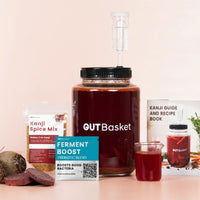
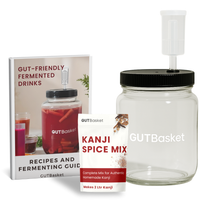
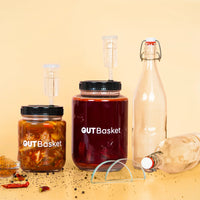
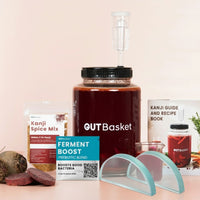
- Kanji Making Kit for a light fermented drink with meals
- Kimchi Making Kit for a fermented side that adds both fiber and microbes
The goal is not to do everything. The goal is consistency, in the smallest way that fits your routine.
Make fermented foods at home
If you want a simple way to add fermented foods into your week, you can explore Gutbasket fermentation kits designed for small, regular batches.
Explore fermentation kitsIf you have a medical condition, are pregnant, or are on medication, please check with your doctor before making major dietary changes.


