





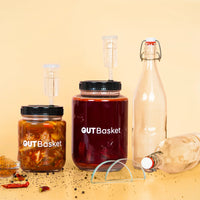





Kanji has a bright, tangy taste that immediately stands out. That sourness is not accidental, and it is not a sign of spoilage. It is the result of lactic fermentation, a process where beneficial bacteria convert natural sugars into acids that shape flavour and protect the drink.
Understanding why kanji tastes sour helps explain what makes it different from juice, why it stays stable, and how fermentation turns a simple mixture into a gut-friendly drink.
Why Kanji Tastes Sour
Kanji’s sour taste comes from lactic acid. During fermentation, naturally occurring bacteria feed on sugars present in the ingredients and release lactic acid as a by-product. As acid builds, the flavour shifts from mild or slightly sweet to tangy and crisp.
This change is intentional and desirable. The sourness signals that fermentation is active and that the environment inside the jar has become acidic enough to support beneficial microbes while discouraging unwanted ones.
In kanji, sour does not mean spoiled. It means transformed.
Fermentation and Rot Are Not the Same Thing
One of the most common confusions around fermented foods is the idea that sourness equals rot. In reality, fermentation and rot are very different processes.
Rot happens when uncontrolled microbes break food down in ways that create foul smells, unpleasant textures, and unsafe conditions. Fermentation, on the other hand, is guided change. Specific microbes dominate, acids are produced in a controlled way, and the environment becomes more stable over time.
A few clear differences help tell them apart:
- Fermentation smells clean, sour, or fresh; rot smells harsh or putrid
- Fermentation creates balanced acidity; rot produces bitterness or decay
- Fermentation stabilises food; rot makes it unsafe
Kanji belongs firmly in the fermentation category. Its sour taste is evidence of order, not breakdown.
The Role of Lactobacillus
The main drivers of lactic fermentation in kanji are bacteria from the Lactobacillus group. These bacteria are naturally present on plant surfaces and are well suited to moist, low-oxygen environments.
When Lactobacillus find sugars, they:
- Consume those sugars
- Produce lactic acid
- Lower the pH of the liquid
- Shape the drink’s aroma and flavour
As acidity increases, many spoilage microbes struggle to survive. Lactobacillus, however, continue to thrive. This shift allows them to take control of the fermentation and stabilise the drink.
How Lactic Acid Protects the Drink
Lactic acid does more than create flavour. It also plays a key role in safety.
Most harmful microbes prefer neutral or slightly alkaline environments. As lactic acid builds, the environment becomes increasingly hostile to them. This makes fermentation self-protecting. The more acid produced, the harder it becomes for unwanted organisms to grow.
In simple terms, acidity acts like a gate. Lactic acid closes that gate, keeping the fermentation clean and controlled.
From Sweet to Tangy: How Flavour Develops
At the start of fermentation, the liquid may taste mild or gently sweet. As bacteria become active, sweetness fades and sourness rises. Along with the tang, a fresh, clean aroma develops.
Many people enjoy kanji most during this middle stage, when the flavour is bright and lively without being overly sharp. This balance comes from the relationship between sugar availability, bacterial activity, and time.
Taste changes gradually, which is why regular tasting helps identify the point that feels best.
Visual, Aroma, and Taste Cues
You do not need tools to understand fermentation. Your senses are enough.
Healthy kanji usually shows:
- A natural colour that matches the ingredients
- A clean, sour aroma
- A clear or lightly cloudy liquid
- A tangy but not harsh taste
Warning signs include strong rotten smells, unusual colours, fuzzy growth, or a slimy texture. When these appear, it is safer to discard and start again.
Why Kanji Avoids Rot
Kanji avoids rot through a combination of acidity and environment. As Lactobacillus produce lactic acid, the drink becomes acidic. At the same time, fermentation usually takes place in containers that limit oxygen exposure.
This combination makes it difficult for spoilage microbes to establish themselves. Beneficial bacteria grow quickly, occupy available space, and reshape the environment in their favour.
The result is a drink that becomes more stable over time rather than less.
Time and Temperature Matter
Fermentation responds to its surroundings. Warmer temperatures speed bacterial activity, while cooler temperatures slow it down. This is why kanji may sour faster in warm weather and take longer in cooler conditions.
The goal is not speed, but balance. Tasting over time helps identify when the flavour reaches a clean, pleasant sourness. Once that point is reached, refrigeration slows further change and helps preserve the profile you enjoy.
Common Misunderstandings About Sour Ferments
A few myths tend to come up again and again.
Sour does not mean spoiled. In kanji, sourness is the goal. Fermented does not mean alcoholic. Lactic fermentation focuses on acid, not alcohol. Cloudy does not always mean unsafe. Light cloudiness can be normal in active ferments.
What matters most is the overall picture: smell, taste, appearance, and texture together.
Why Kanji’s Sourness Matters
Kanji’s sour taste tells a story. It shows that sugars were transformed into lactic acid, that beneficial bacteria shaped the drink, and that the environment became stable and protected.
That sourness:
- Signals successful fermentation
- Helps keep unwanted microbes away
- Creates a crisp, refreshing flavour
In kanji, sourness is not a flaw. It is the signature of a process working as it should.
Practical Takeaway
Kanji tastes sour because Lactobacillus convert sugars into lactic acid during fermentation. That acid builds flavour and protects the drink from rot. By keeping conditions clean, limiting oxygen, allowing time, and tasting as you go, you can tell when fermentation is healthy and when the flavour is at its best.
When the sourness feels bright and balanced, the drink is ready. Cooling it slows further change and helps preserve that profile. Understanding this logic makes fermentation less intimidating and far more intuitive.
Make It Fool-Proof with a Kanji Making Kit
If you're new to fermentation or want consistent results, the Kanji Making Kit gives you everything - an airlock jar, spice-mustard blend, recipe card & QR video guide - so your Kanji ferments safely & successfully every time.


