





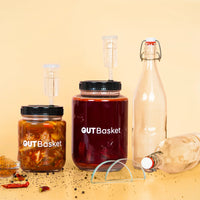





Kanji becomes a probiotic drink because salt and time work together to create the right environment for beneficial bacteria to grow. What starts as a jar of salted liquid slowly turns into something alive, tangy, and supportive of gut health. This transformation is not accidental. It is the result of a controlled fermentation process that favours helpful microbes and holds harmful ones back.
Understanding how this process works makes it easier to trust kanji, enjoy it, and make it consistently.
What “Probiotic Drink” Means in Simple Terms
A probiotic drink is a liquid that contains living, beneficial bacteria at the time you drink it. These bacteria are common in many traditional fermented foods and are known to support balance in the gut.
In fermented drinks, these bacteria:
- Feed on natural sugars
- Multiply over time
- Change the taste, smell, and stability of the drink
The sour or tangy flavour is not added. It is produced by these bacteria as they grow. Kanji fits squarely into this category because its fermentation supports the growth of these live cultures.
What Kanji Is, at Its Core
Kanji is a simple fermented drink made using water, salt, and plant material such as vegetables or their peels. The recipe can vary, but the process remains the same.
Natural bacteria present on the plant material and in the environment begin the fermentation. With time, these bacteria convert sugars into acids. The liquid becomes tangy, brighter in flavour, and microbiologically more stable.
What matters most is not the exact ingredient list, but the conditions created inside the jar.
Why Salt Is the Key Ingredient
Salt is the quiet force that shapes kanji fermentation.
When salt is added to water and plant material, it sets a clear set of rules:
- Some microbes slow down in salty conditions
- Certain beneficial bacteria tolerate salt and continue to grow
- With fewer competitors, these bacteria gain the upper hand
Salt helps in three critical ways:
- Safety: It slows harmful microbes early on
- Flavour: It allows acids to develop gradually
- Consistency: It keeps fermentation predictable rather than chaotic
Kanji works because salt tilts the balance toward the microbes you want.
How Good Bacteria Take Over the Jar
At the start of fermentation, many microbes are present. Salt acts as the first filter. It slows down sensitive organisms and allows salt-tolerant bacteria to move ahead.
As these beneficial bacteria feed on sugars from the plants, they produce lactic acid. This acid lowers the pH of the liquid, making it sour.
This creates a second layer of protection:
- Many harmful microbes struggle in acidic environments
- Beneficial bacteria continue to thrive
- Salt opens the door. Acid locks it behind them.
What Happens During Fermentation
While timing varies with temperature and ingredients, fermentation often follows a similar pattern:
- Day 1–2: Salt begins shaping the microbial balance
- Day 2–4: Beneficial bacteria grow and start producing acid
- Day 3–5 and beyond: The drink becomes tangy, stable, and probiotic
The best indicators are sensory:
- A clean, sour smell
- A bright, tangy taste
- No rotten or chemical odours
Fermentation should feel alive, not aggressive.
Why Salt Levels Matter
Balance is important. Too little salt can allow unwanted microbes to grow. Too much salt can slow fermentation altogether.
Salt helps by:
- Drawing water and sugars out of plant material
- Supporting crisp texture if solids are present
- Giving beneficial bacteria a head start
Kanji is forgiving, but it works best when salt is used with intention.
What to Look for as Kanji Ferments
Your senses are reliable tools.
- Smell: Fresh and sour is good. Rotten or harsh is not.
- Taste: Lightly salty and tangy is ideal.
- Look: Mild cloudiness or bubbles are normal. Fuzzy growth or strange colours are not.
If something feels off, it is okay to discard and start again. Fermentation improves with practice.
A Simple Way to Make Kanji at Home
Kanji does not require special equipment. The basics matter more than tools.
- Use a clean jar, lid, and spoon
- Dissolve plain salt in clean water
- Add clean plant material
- Keep everything submerged
- Allow gas to escape gently
- Taste daily after the second day
- Refrigerate once it tastes right
Cold temperatures slow fermentation and help preserve flavour.
If you're new to fermentation or want consistent results, the Gutbasket Kanji Making Kit gives you everything — an airlock jar, spice-mustard blend, recipe card & QR video guide — so your Kanji ferments safely & successfully every time.
Why Kanji Qualifies as a Probiotic Drink
Kanji is probiotic because:
- Live beneficial bacteria remain present
- Acid production makes the drink stable
- The final drink supports microbial balance rather than suppressing it
You are not drinking flavoured water. You are drinking a living, fermented beverage shaped by microbes and time.
How to Enjoy Kanji
Kanji is best enjoyed simply:
- A small glass alongside meals
- Chilled for a refreshing sip
- As a tangy addition to light dishes
Avoid heating if you want to preserve live bacteria.
Common Questions, Answered Briefly
Is it safe?
When made cleanly, with enough salt, and when it smells and tastes right, kanji is generally safe. Trust your senses.
Do I need special tools?
No. Clean jars and basic care are enough.
What if it becomes too sour?
Move it to the fridge. Cold slows further fermentation.
Why This Process Matters
Kanji shows how simple choices shape living food.
- Salt is not just seasoning.
- Time is not passive.
- Fermentation is not random.
Together, they create a drink that is sour, stable, and alive. Understanding this process gives you control over what you consume and confidence in traditional fermentation methods.
A Final Thought
Kanji becomes a probiotic drink because salt and time give beneficial bacteria the advantage. They grow, produce acid, and shape the drink into something tangy and supportive of gut health.
Keep your tools clean. Keep the balance right. Trust your senses.
That is how kanji works, and why it matters.


