
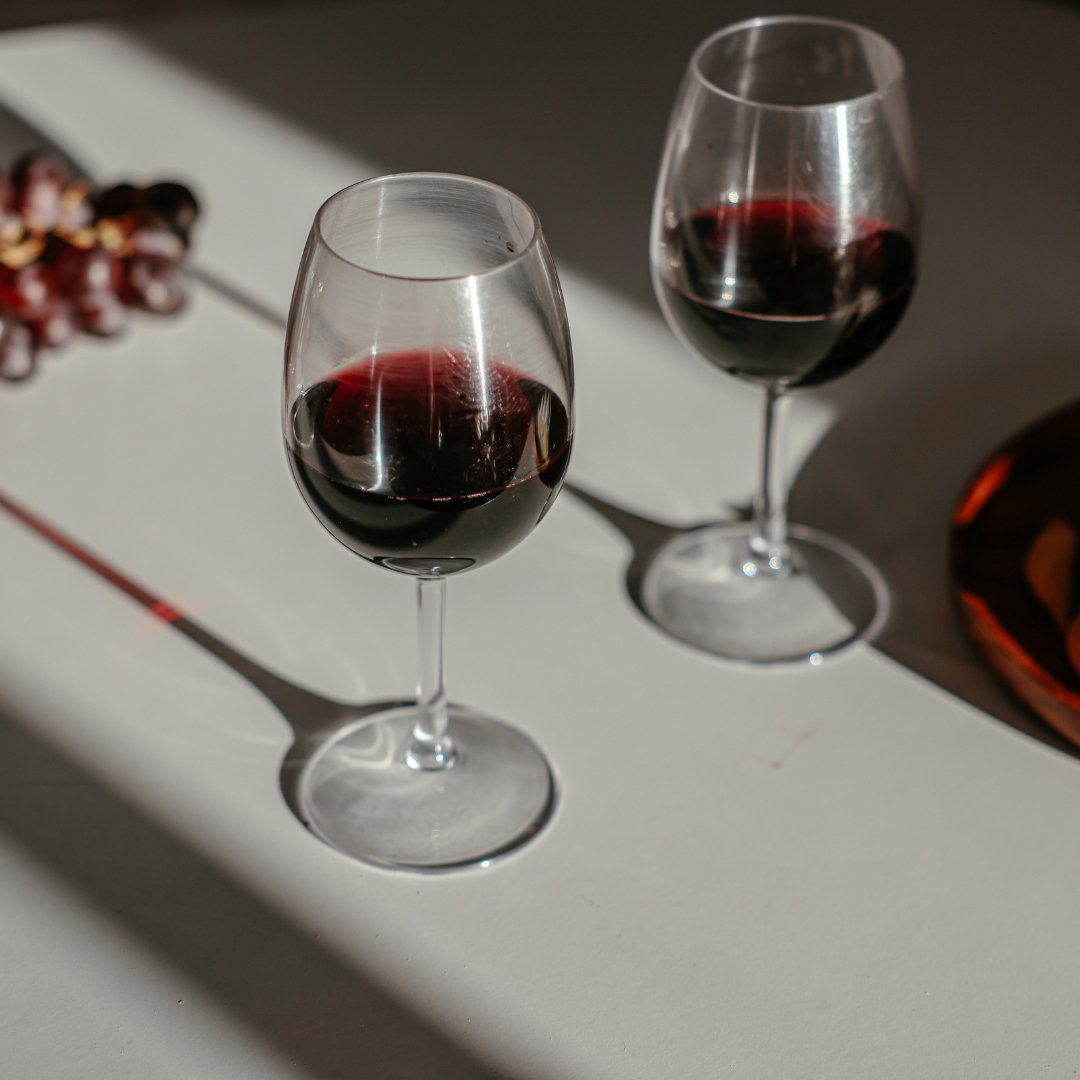
Grape wine is a timeless classic, offering rich, complex flavors with every sip. With simple ingredients and a bit of patience, you can create your own delicious, homemade wine that rivals the best vintages!
Ingredients:
- Grapes: ~3.5 kg (to yield around 3.5–4 L of juice)
- Sugar: 250–500 grams (adjust based on grape sweetness and desired alcohol content)
- Water: Minimal (only if juice quantity needs adjustment to fill the fermenter)
- Wine yeast: 1–2 grams (or use wild fermentation if preferred)
- Potassium Metabisulfite: 0.5g or 1/16 tsp (optional, for sterilizing)
- Pectic enzyme: 1 teaspoon (optional, improves juice extraction)
- Yeast nutrient: 1 teaspoon (optional, boosts fermentation)
Equipment:
- 4.5 L glass fermenter with airlock
- Large mixing bowl
- Sanitized stirring spoon
- Fine mesh strainer or cheesecloth
- Hydrometer (optional, for measuring sugar content)
Step-by-Step Process:
1. Prepare the Grapes:
- Wash grapes thoroughly to remove dirt and impurities.
- Remove stems, as they can add bitterness.
- Crush the grapes in a sanitized bowl to release juice. Use clean hands or a masher.
2. Sterilize (Optional):
- Dissolve 0.5 g potassium metabisulfite in a small amount of water and mix into the grape must (juice + crushed fruit) to kill unwanted microbes.
- Let it sit for 24 hours before adding yeast.
3. Add Sugar (if needed):
- Use a hydrometer to check the initial sugar content. Adjust sugar to reach a target potential alcohol level of 10–13% (typically 1.080–1.100 SG).
- Dissolve sugar in a small amount of warm water, then mix into the must.
4. Add Pectic Enzyme and Yeast Nutrient (Optional):
- If using, mix pectic enzyme and yeast nutrient into the must. This helps maximize juice extraction and ensure healthy fermentation.
5. Add Yeast:
- Hydrate the yeast in 1/4 cup( 60 ml) warm water for 15-20 min or according to package instructions.
- Add it to the must and stir gently.
6. Primary Fermentation:
- Transfer the must to your 4.5 L fermenter, filling it to about 80% capacity to leave room for foaming.
- Attach the airlock to allow CO₂ to escape while keeping oxygen out.
- Place the fermenter in a cool, dark area (18–22°C or 64–72°F) for 5–7 days. Stir daily with a sanitized spoon.
7. Strain and Transfer:
- After primary fermentation (when bubbling slows), strain the must through a fine mesh or cheesecloth to remove solids.
- Transfer the liquid (now young wine) back into the sanitized fermenter.
8. Secondary Fermentation:
- Top up the fermenter with water or more wine to minimize air exposure.
- Reattach the airlock and let ferment for 4–6 weeks, until bubbling stops completely.
9. Racking:
- Carefully siphon the wine off the sediment (lees) into a clean fermenter to clarify the wine.
- Repeat this process every 4–6 weeks if sediment continues to form.
10. Aging and Bottling:
- Taste your wine; if satisfied, bottle it using sanitized wine bottles and corks.
- Age the bottles for 3–6 months (or longer) for improved flavor.
Tips:
- Keep everything sanitized to prevent contamination.
- Use a hydrometer to monitor fermentation progress.
- Aging enhances flavor, so patience pays off.